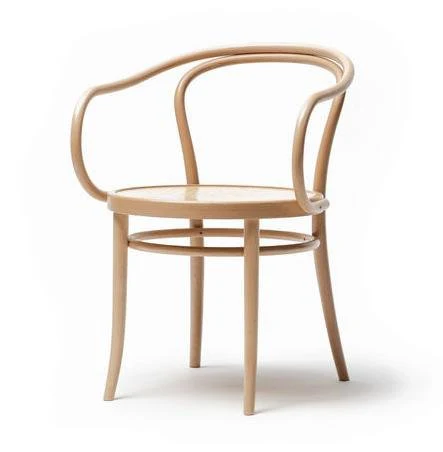
August Thonet No. 30 Bentwood Chair by Ton
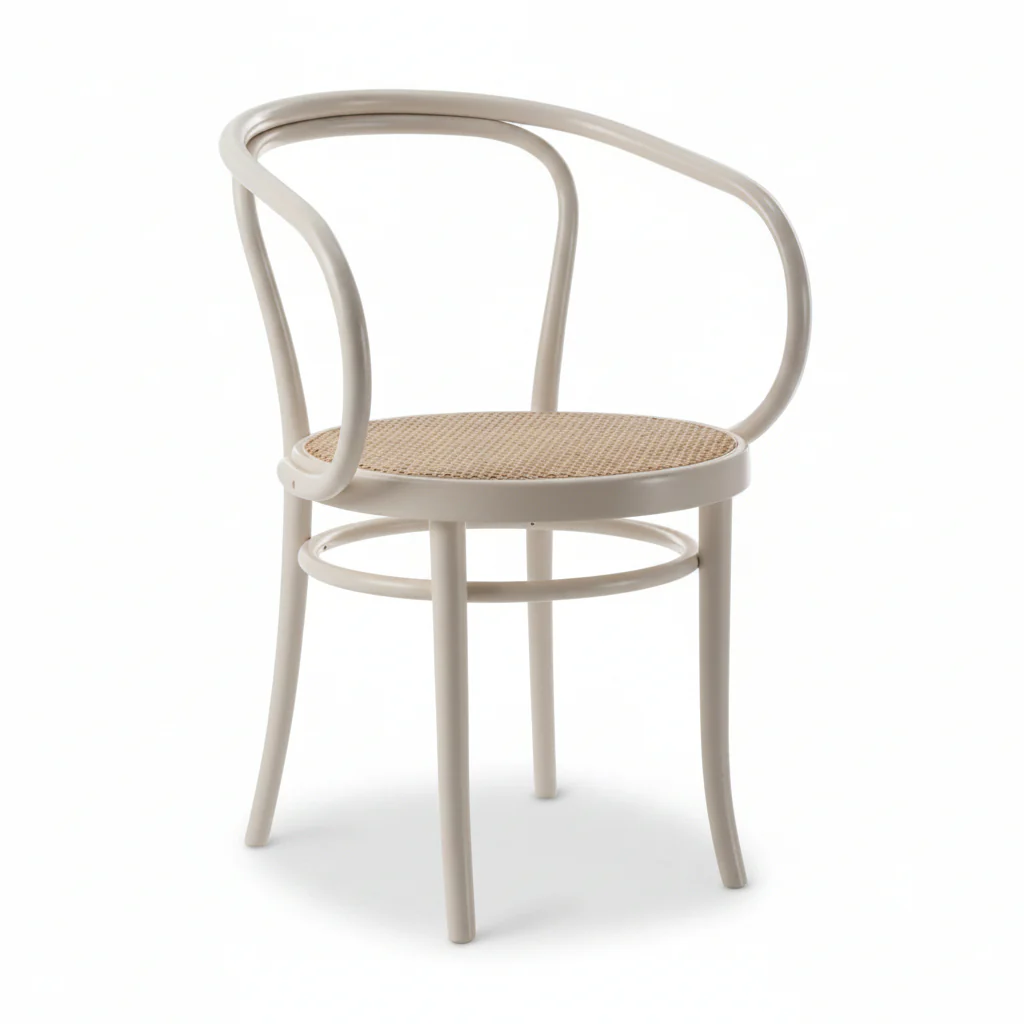
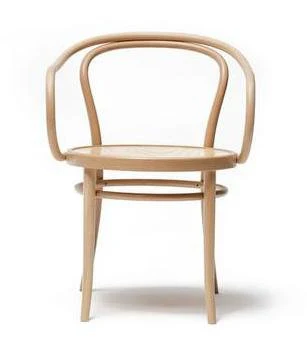
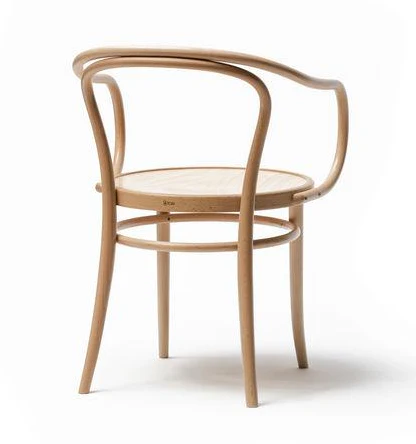
The No. 30 Bentwood Chair, designed by August Thonet, became famous as part of a 1920s bentwood revival as architects Le Corbusier and Mart Stam used it in their buildings and environments. The simple and unadorned bentwood design appealed to them, as did the "industrial" nature of the chair. Modernist designers saw it as a product of rigorous functionalism, an item whose design was determined by its material and the method used to produce it. Le Corbusier used the No. 30 bentwood chairs in his commissions as dining or desk seating as early as 1922, as well as in his Pavilion at the 1925 Paris Exposition of Decorative Arts.
Concerning his choice of the bentwood chair, Corbusier wrote, "We have introduced the humble Thonet chair of steamed wood, certainly the most common of chairs. We believe this chair, whose millions of representatives are used on the Continent and in the two Americas, possesses nobility." In subsequent commissions, Corbusier continued to use Michael Thonet and August Thonet-designed bentwood pieces until more suitable tubular steel chairs were produced by the company.
It is also notable that in the 1927 Deutsche Werkbund exhibition (an exhibition of 33 housing units, directed by Mies Van der Rohe and the first gathering of architects working in the new International Style), half of the 16 architects used Michael Thonet's designed bentwood chairs. The most popular chair? The August Thonet designed B9 Bentwood Armchair.
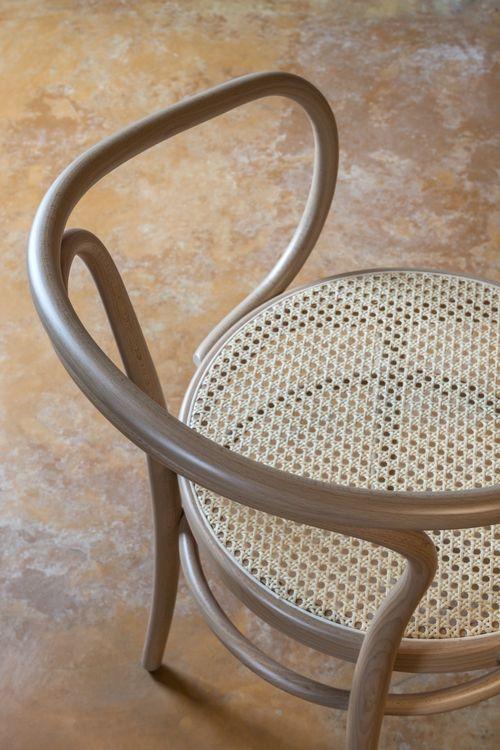
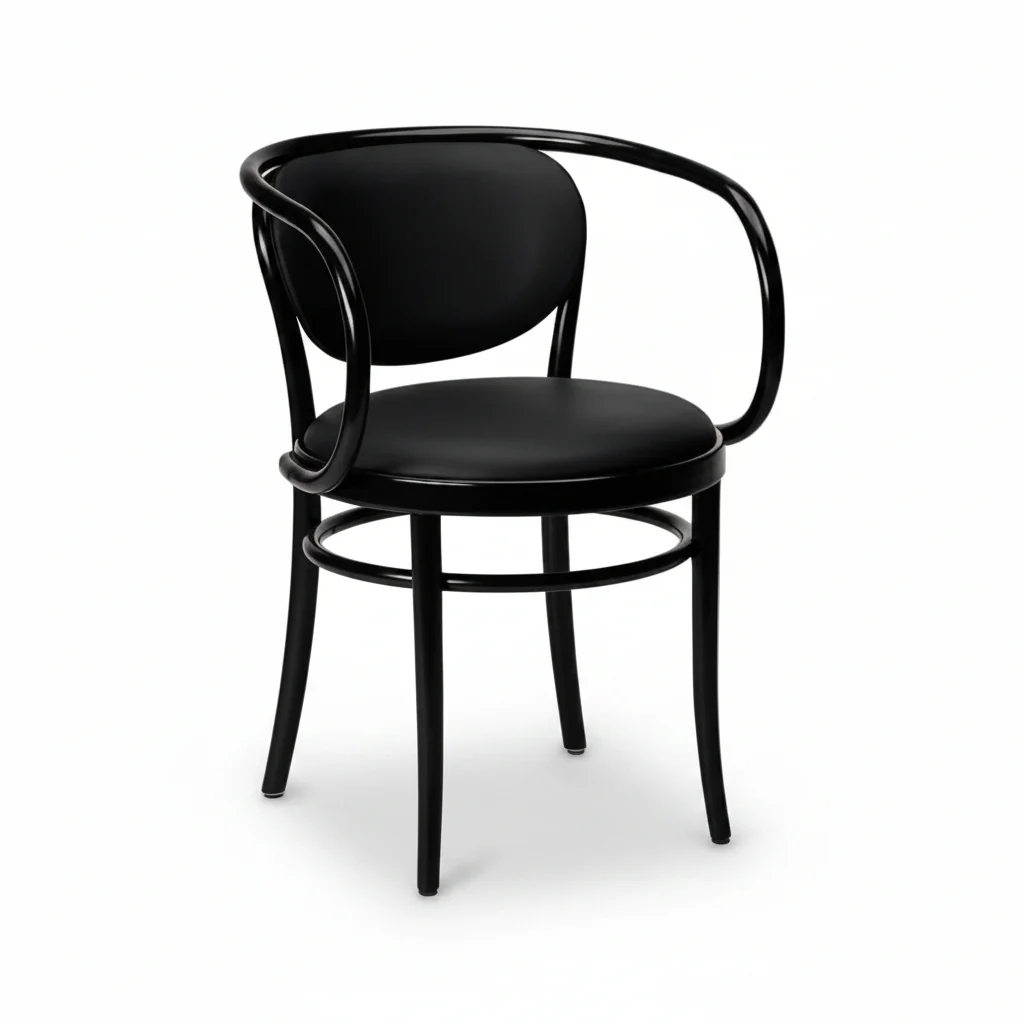
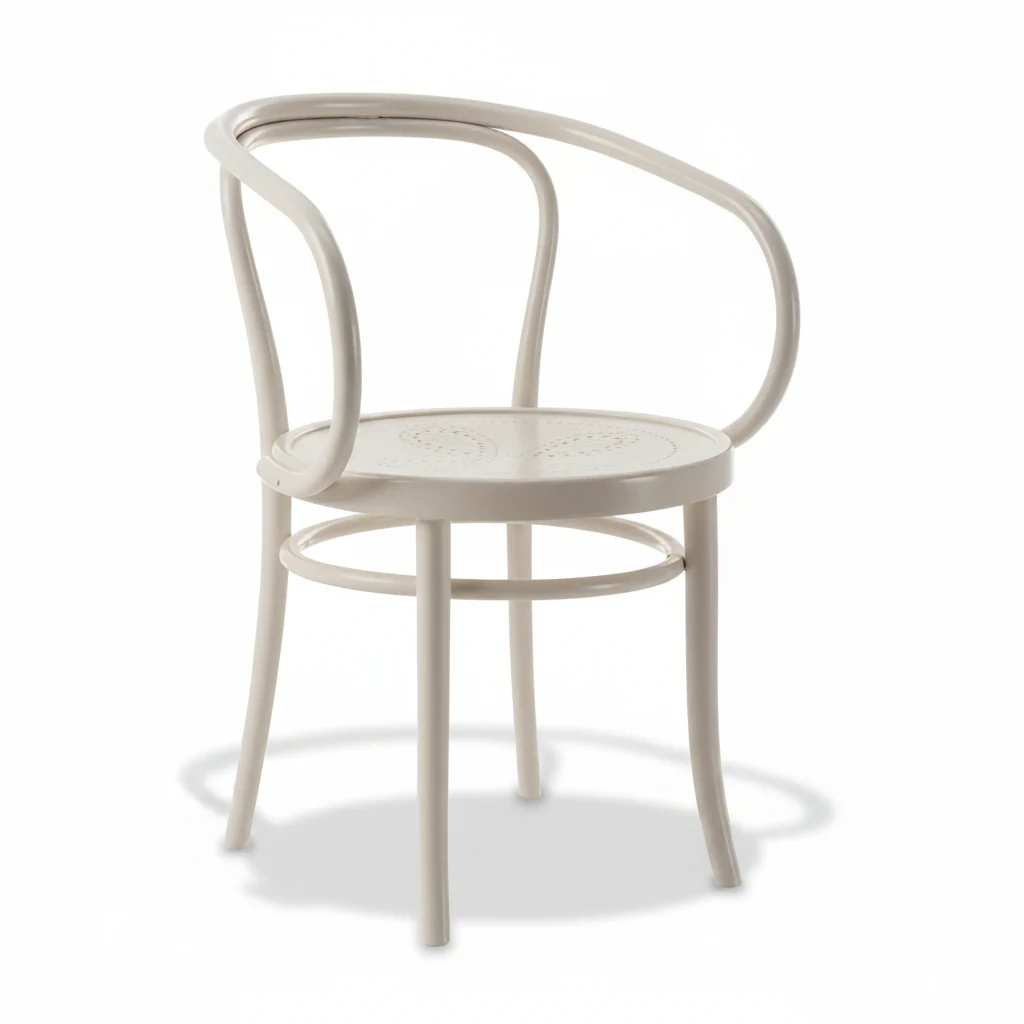
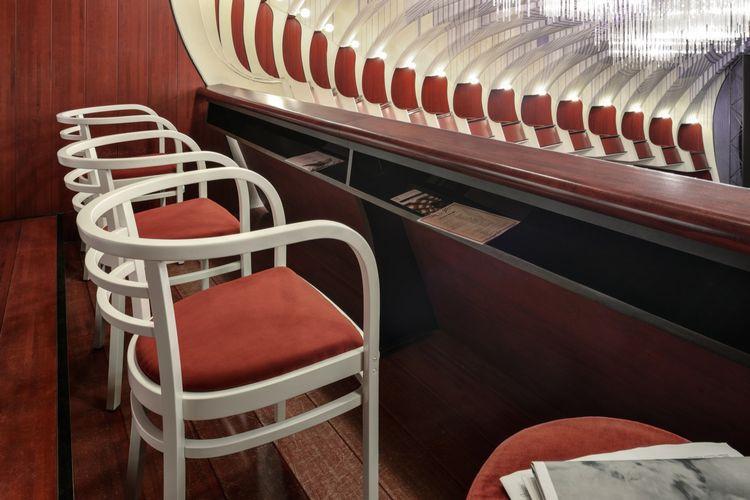
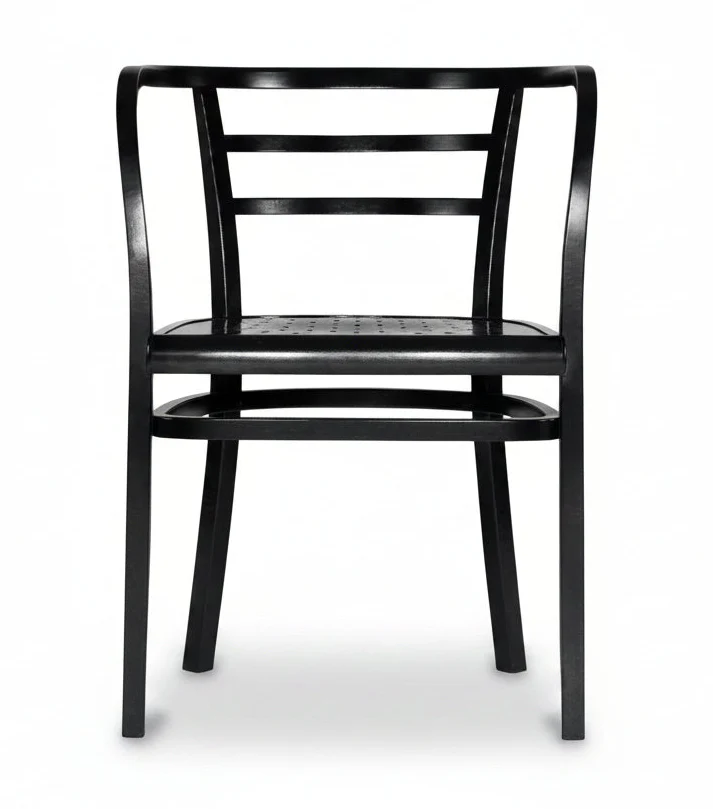
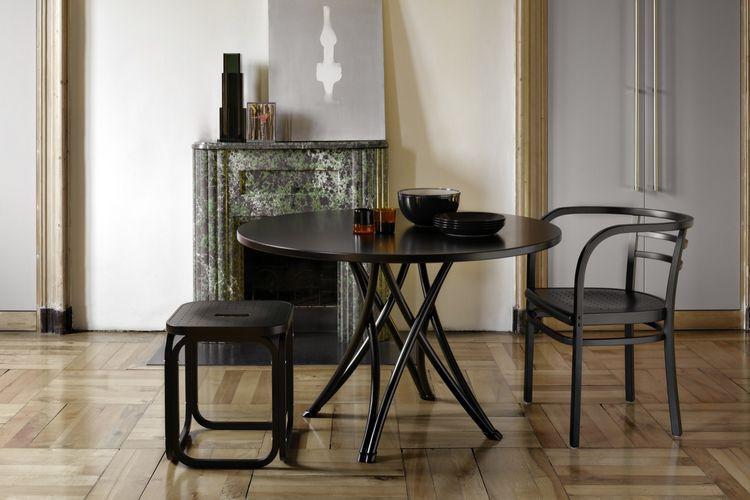
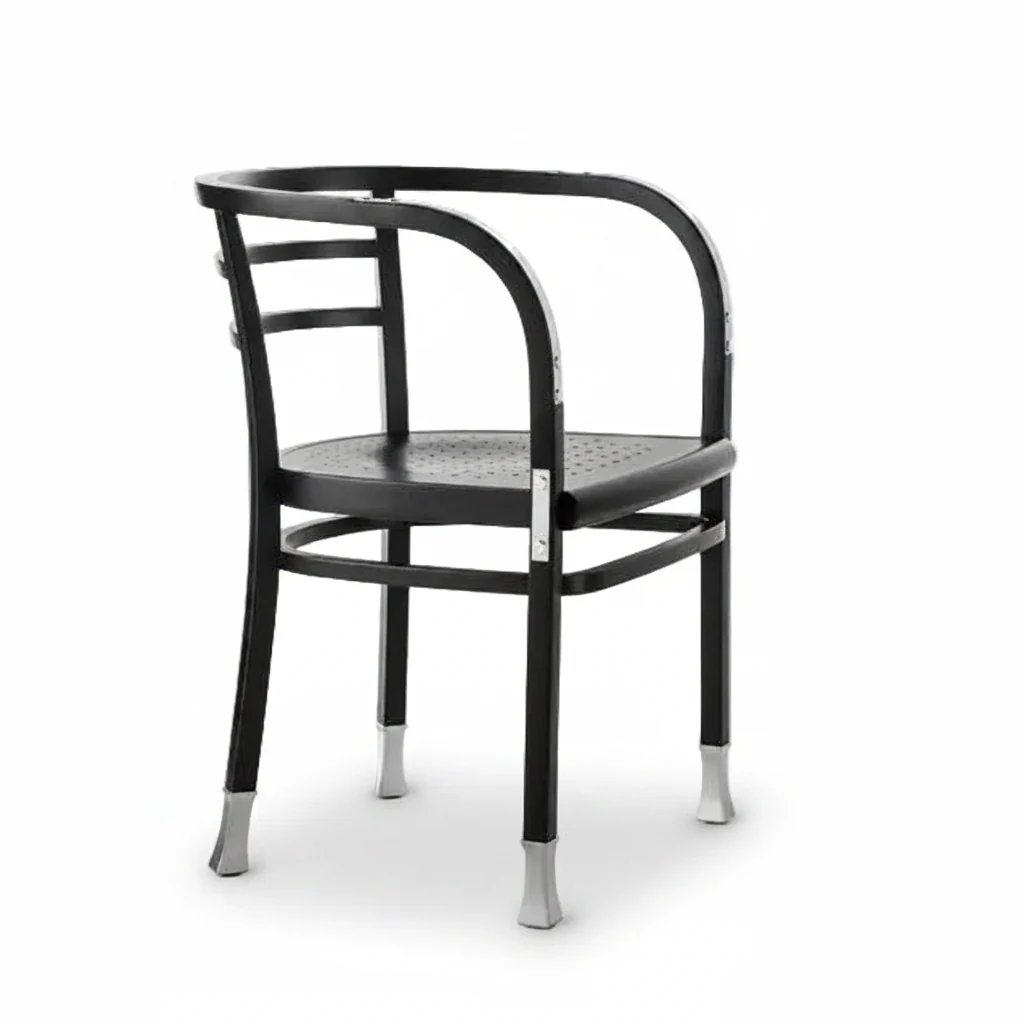
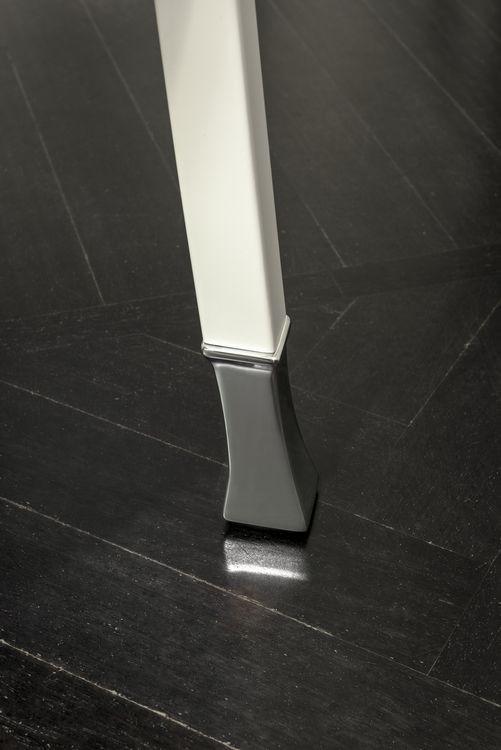
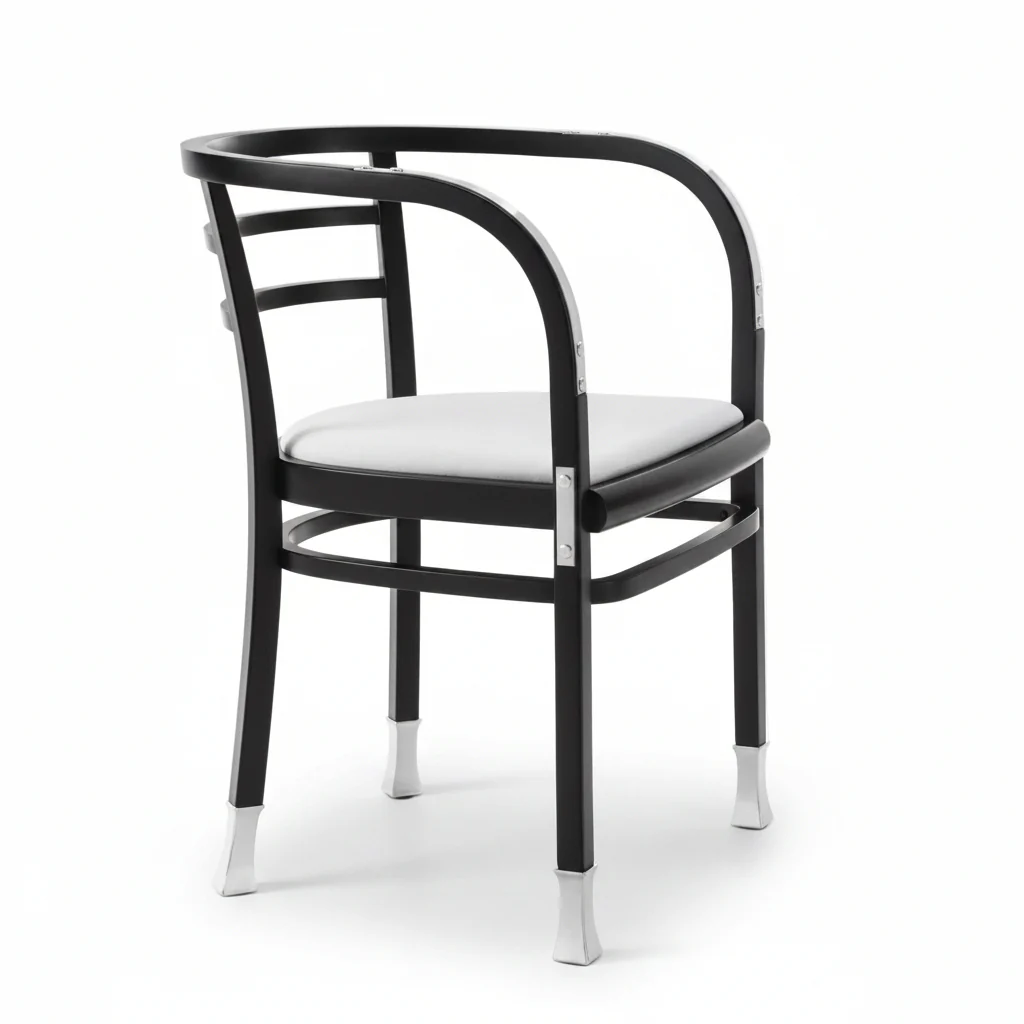
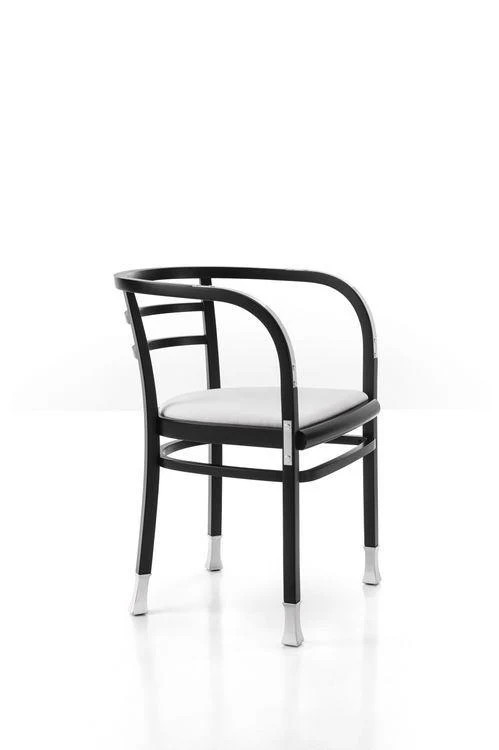
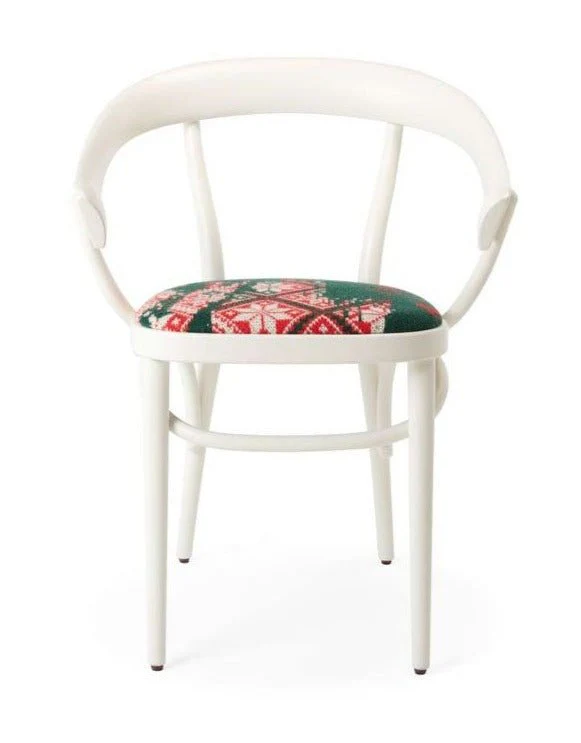
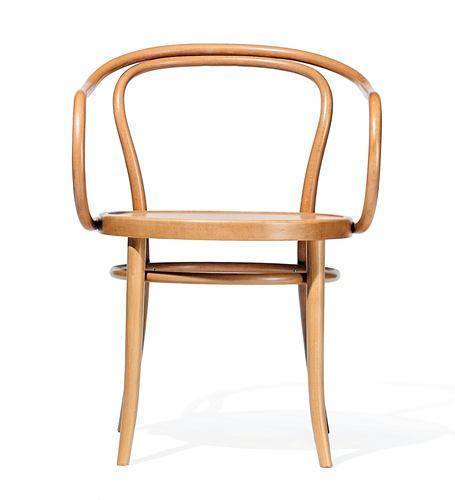
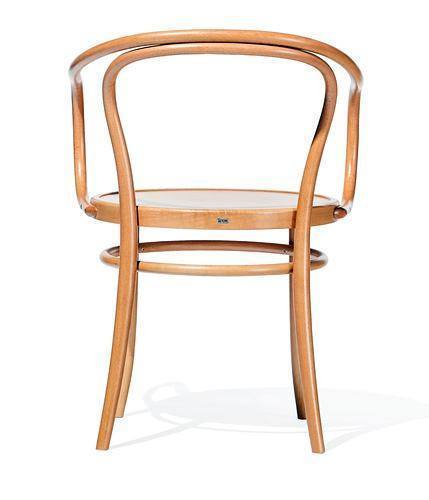
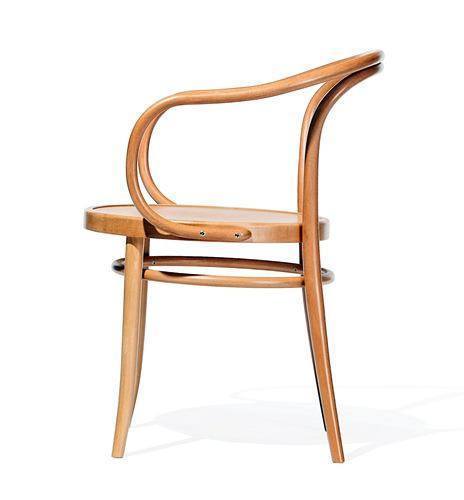
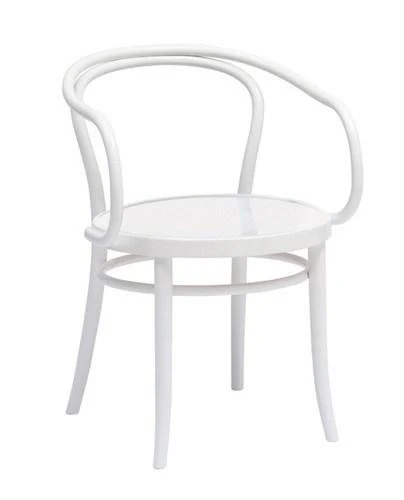
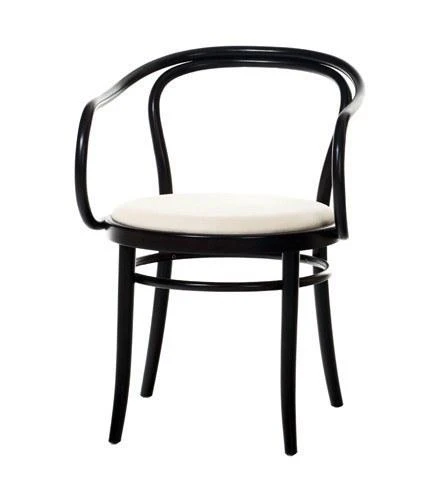
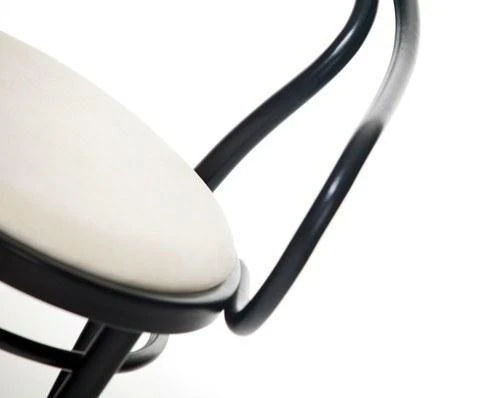
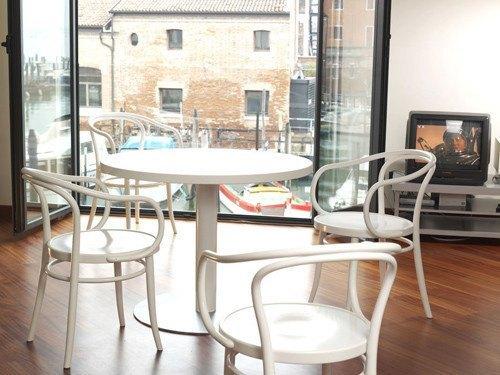
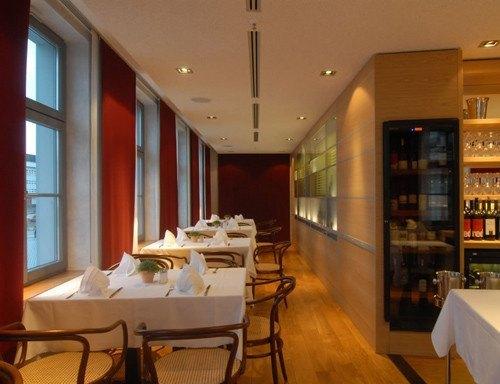
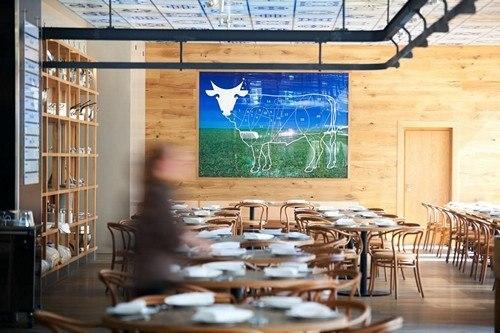
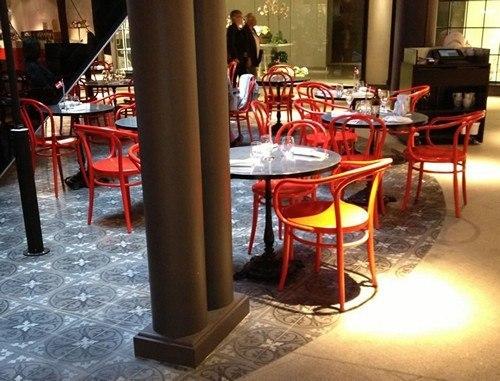
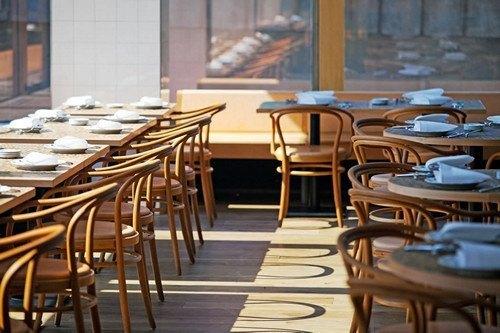
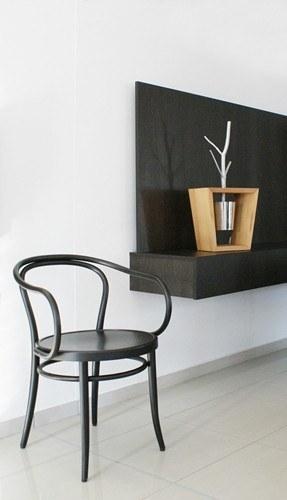
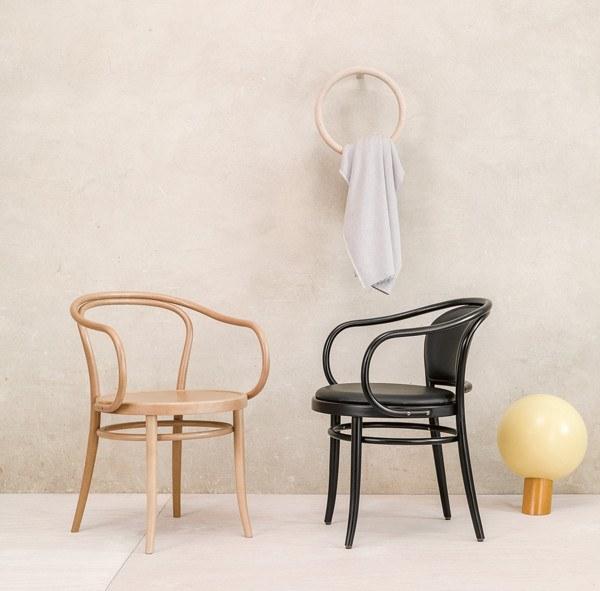
Highly customizable, the No. 30 Bentwood Chair is available in a number of seating options and finishes, including stains, and lacquer finishes.
The No 30 Bentwood Chair is made in an original European Michael Thonet factory in the Czech Republic.
Made in the Czech Republic by Ton.
Dimensions: H 30" D 22 1/2" W 21 1/2" Seat height 18 1/4" Arm Height 26 3/4"
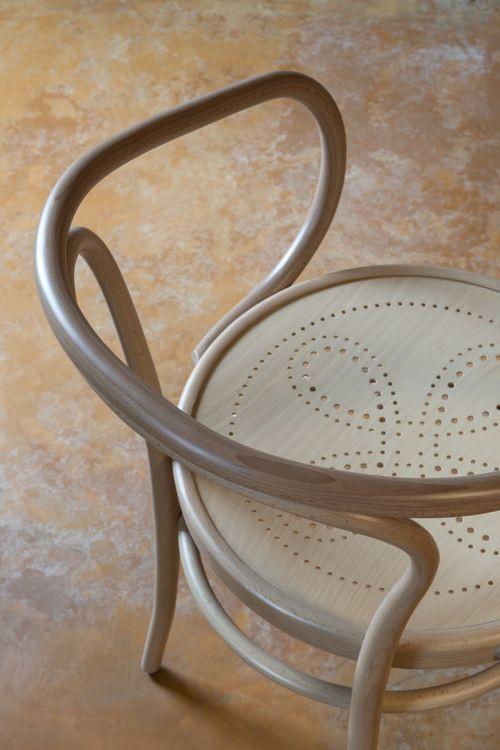
Materials: Bentwood chair. Seat in woven cane, wood veneer, or upholstered with fabric or leather.
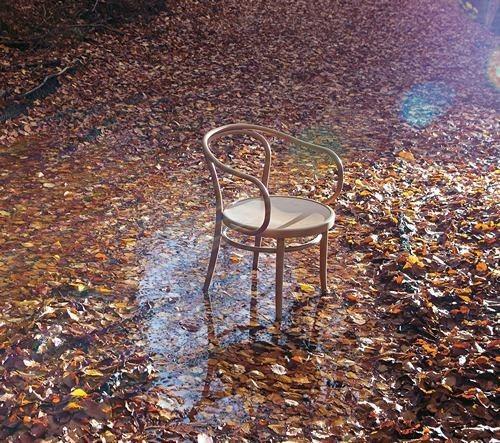
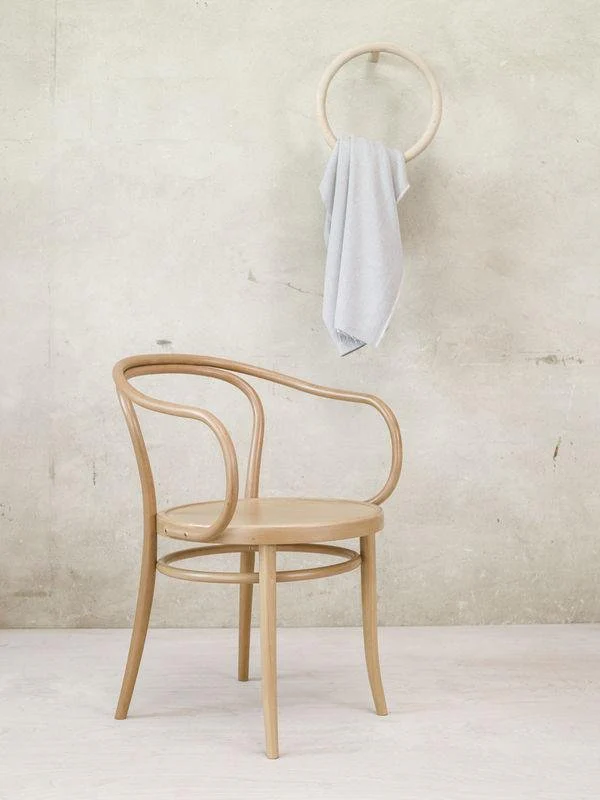
In-stock in natural beechwood (B39) with cane seat and black stain (B123) with cane seat.
Original: $732.00
-65%$732.00
$256.20More Images
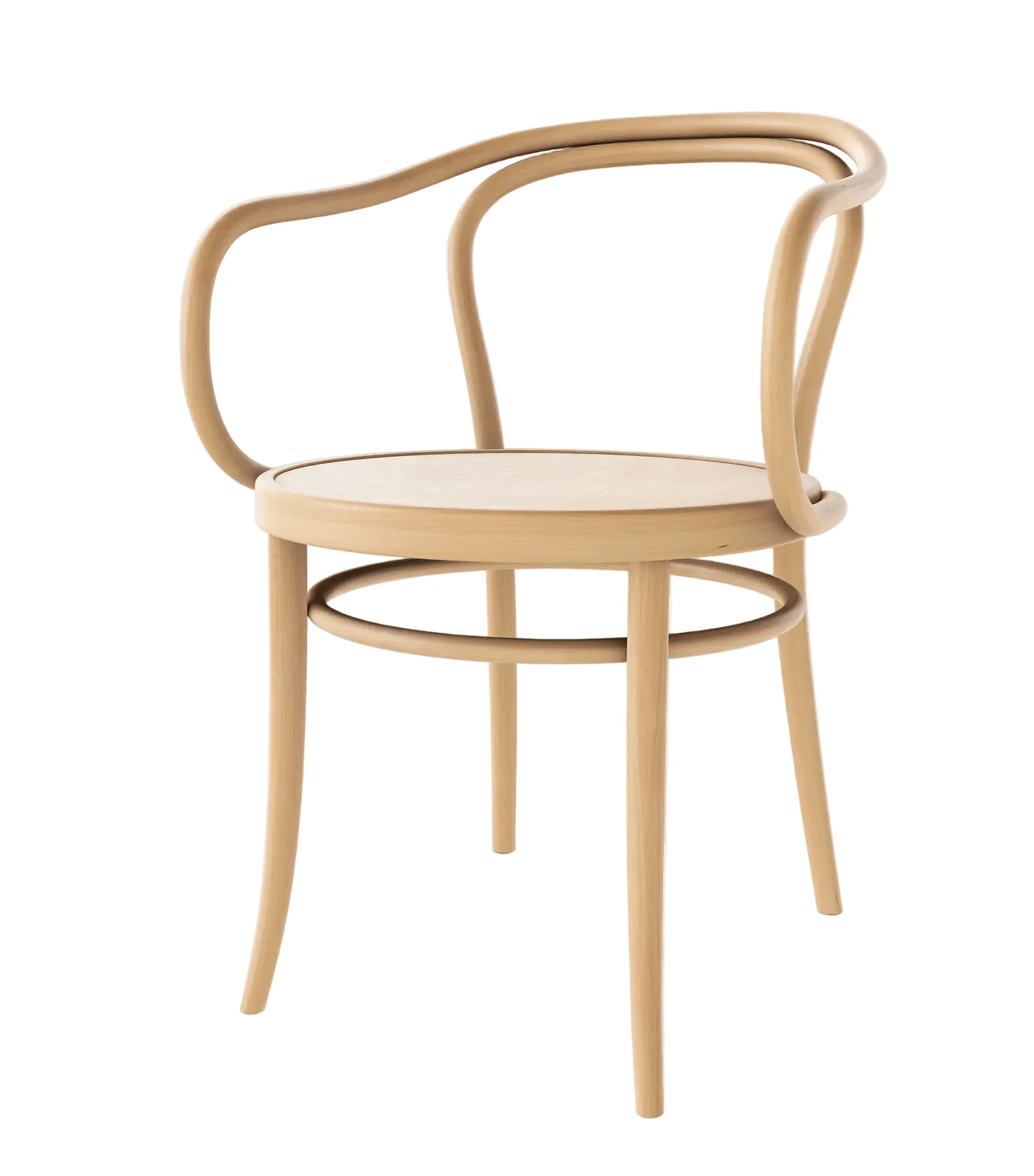
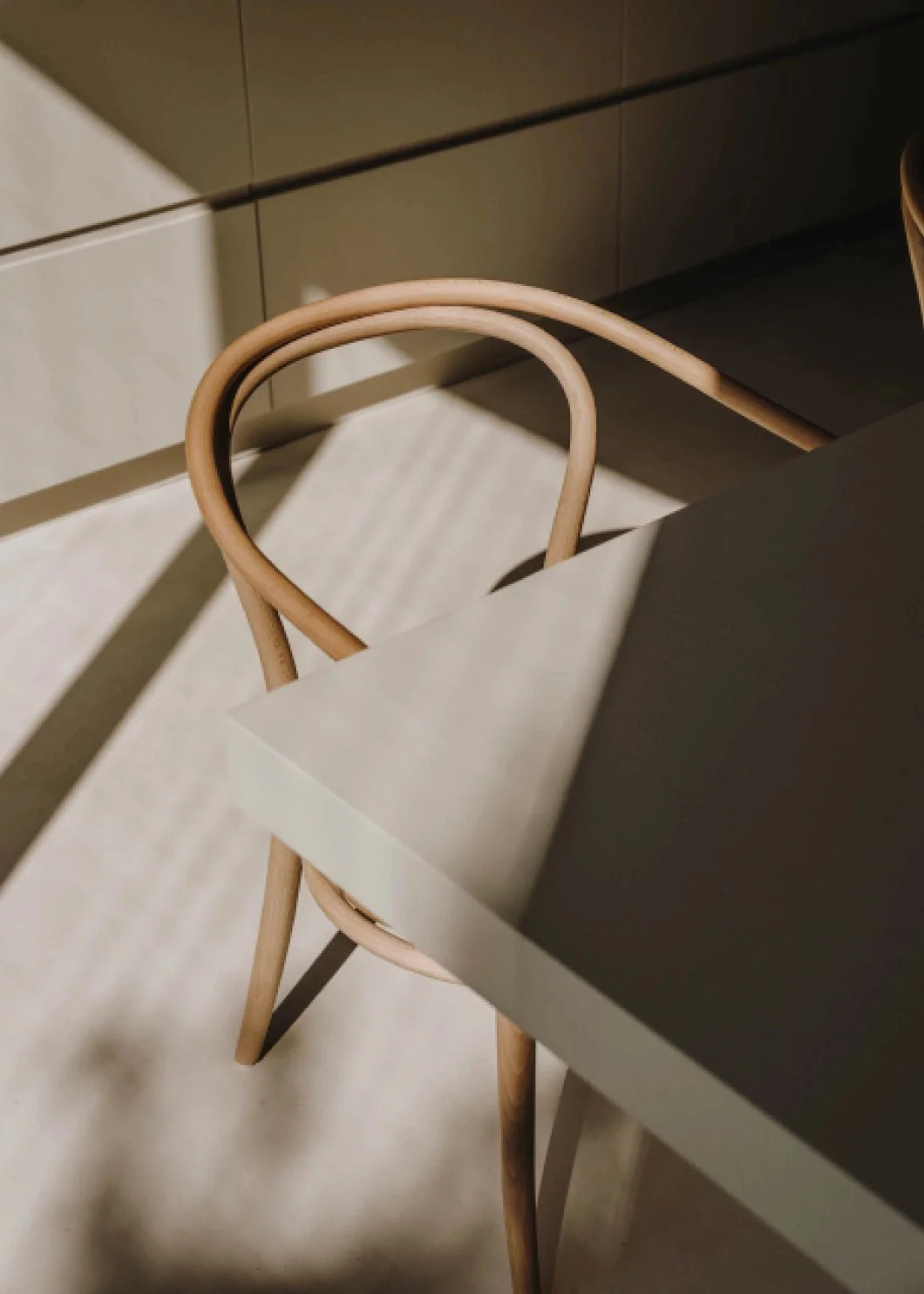
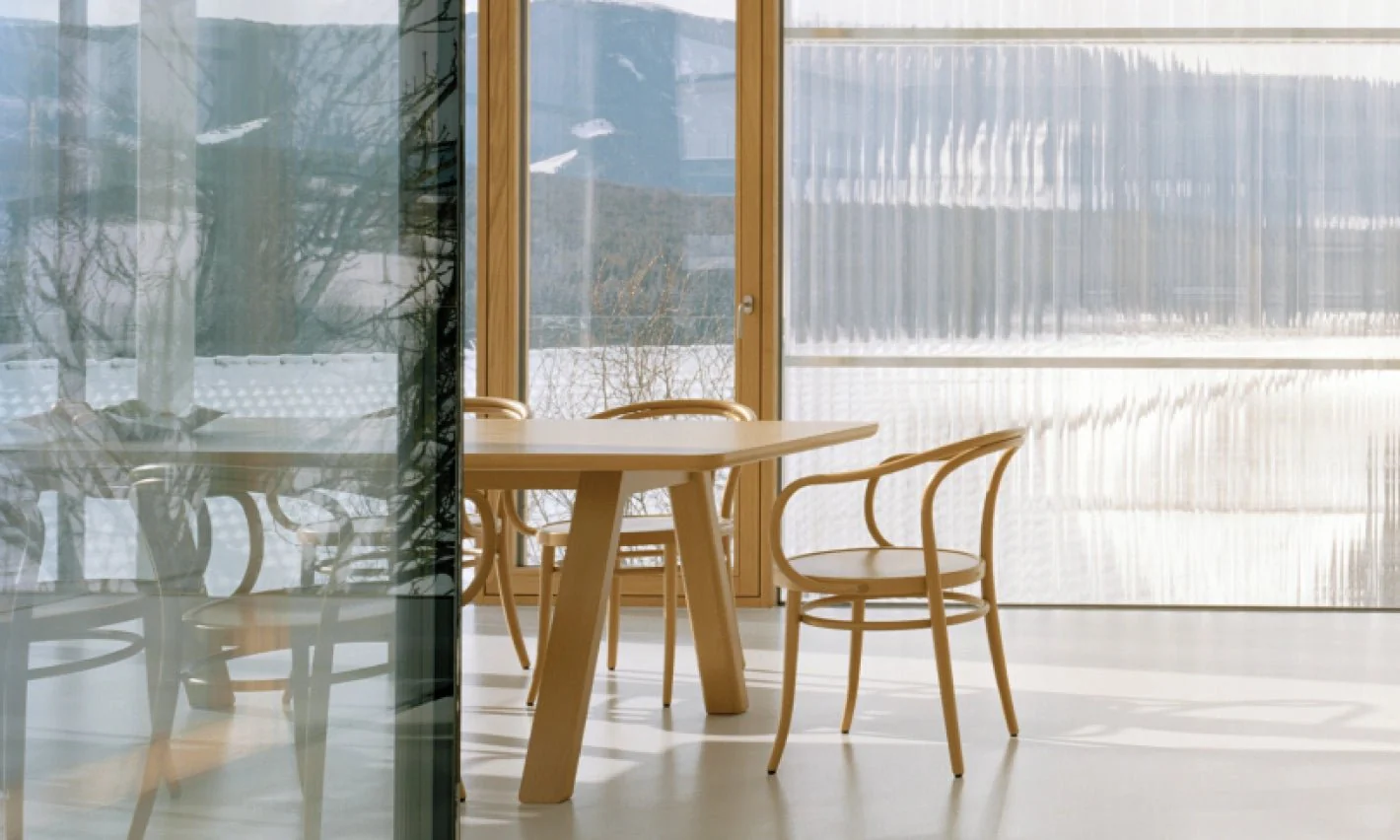
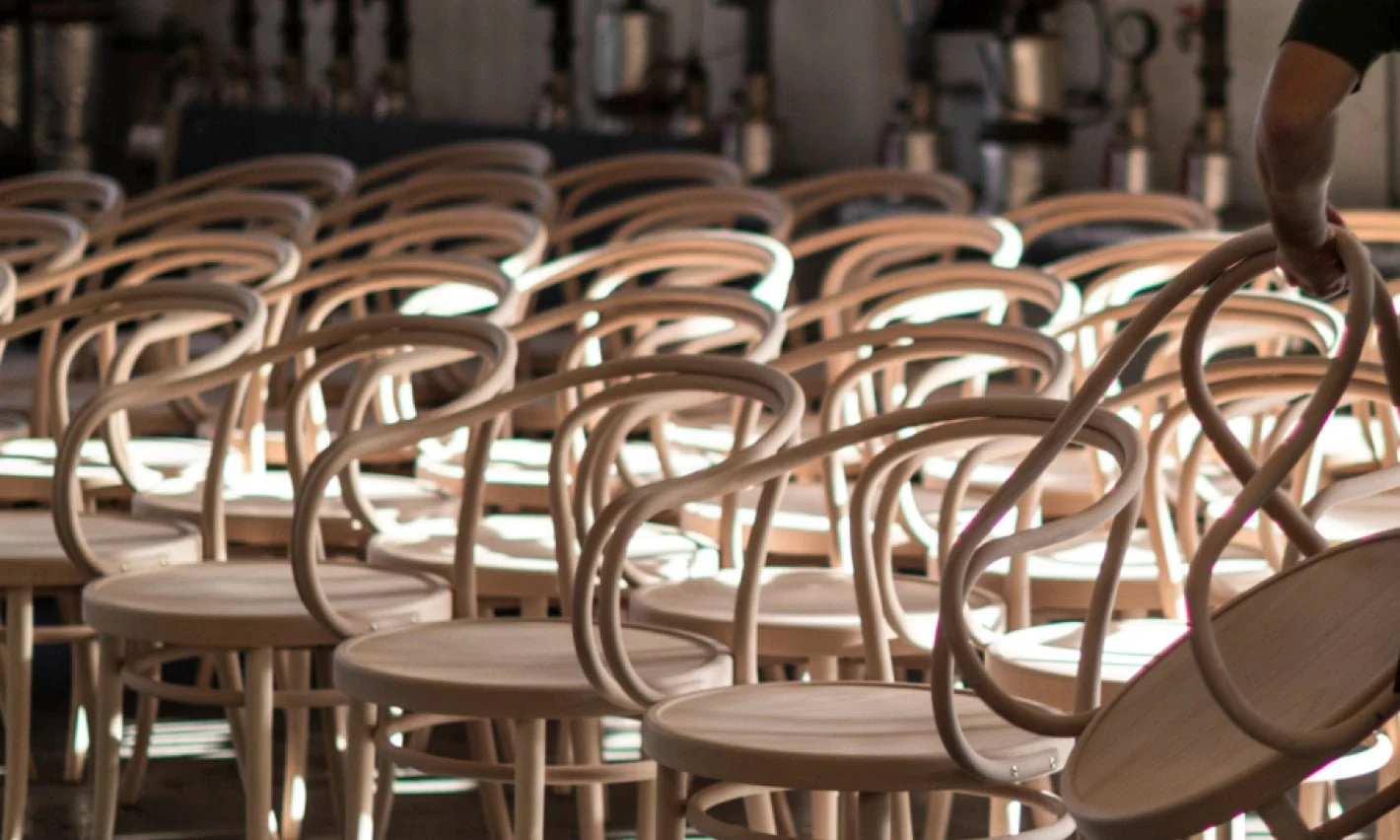
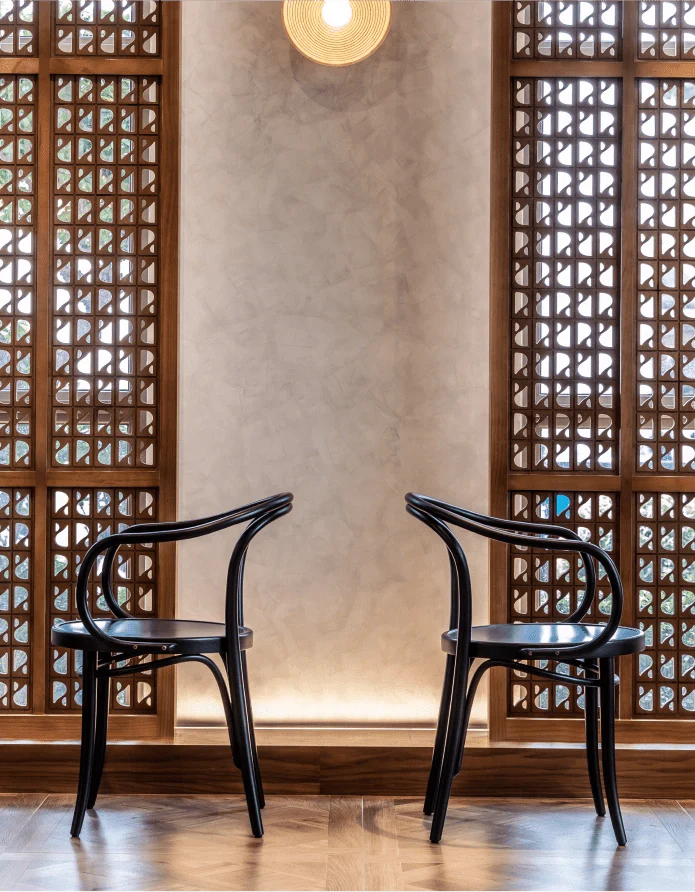
August Thonet No. 30 Bentwood Chair by Ton
The No. 30 Bentwood Chair, designed by August Thonet, became famous as part of a 1920s bentwood revival as architects Le Corbusier and Mart Stam used it in their buildings and environments. The simple and unadorned bentwood design appealed to them, as did the "industrial" nature of the chair. Modernist designers saw it as a product of rigorous functionalism, an item whose design was determined by its material and the method used to produce it. Le Corbusier used the No. 30 bentwood chairs in his commissions as dining or desk seating as early as 1922, as well as in his Pavilion at the 1925 Paris Exposition of Decorative Arts.
Concerning his choice of the bentwood chair, Corbusier wrote, "We have introduced the humble Thonet chair of steamed wood, certainly the most common of chairs. We believe this chair, whose millions of representatives are used on the Continent and in the two Americas, possesses nobility." In subsequent commissions, Corbusier continued to use Michael Thonet and August Thonet-designed bentwood pieces until more suitable tubular steel chairs were produced by the company.
It is also notable that in the 1927 Deutsche Werkbund exhibition (an exhibition of 33 housing units, directed by Mies Van der Rohe and the first gathering of architects working in the new International Style), half of the 16 architects used Michael Thonet's designed bentwood chairs. The most popular chair? The August Thonet designed B9 Bentwood Armchair.
Highly customizable, the No. 30 Bentwood Chair is available in a number of seating options and finishes, including stains, and lacquer finishes.
The No 30 Bentwood Chair is made in an original European Michael Thonet factory in the Czech Republic.
Made in the Czech Republic by Ton.
Dimensions: H 30" D 22 1/2" W 21 1/2" Seat height 18 1/4" Arm Height 26 3/4"
Materials: Bentwood chair. Seat in woven cane, wood veneer, or upholstered with fabric or leather.
In-stock in natural beechwood (B39) with cane seat and black stain (B123) with cane seat.
Product Information
Product Information
Shipping & Returns
Shipping & Returns
Description
The No. 30 Bentwood Chair, designed by August Thonet, became famous as part of a 1920s bentwood revival as architects Le Corbusier and Mart Stam used it in their buildings and environments. The simple and unadorned bentwood design appealed to them, as did the "industrial" nature of the chair. Modernist designers saw it as a product of rigorous functionalism, an item whose design was determined by its material and the method used to produce it. Le Corbusier used the No. 30 bentwood chairs in his commissions as dining or desk seating as early as 1922, as well as in his Pavilion at the 1925 Paris Exposition of Decorative Arts.
Concerning his choice of the bentwood chair, Corbusier wrote, "We have introduced the humble Thonet chair of steamed wood, certainly the most common of chairs. We believe this chair, whose millions of representatives are used on the Continent and in the two Americas, possesses nobility." In subsequent commissions, Corbusier continued to use Michael Thonet and August Thonet-designed bentwood pieces until more suitable tubular steel chairs were produced by the company.
It is also notable that in the 1927 Deutsche Werkbund exhibition (an exhibition of 33 housing units, directed by Mies Van der Rohe and the first gathering of architects working in the new International Style), half of the 16 architects used Michael Thonet's designed bentwood chairs. The most popular chair? The August Thonet designed B9 Bentwood Armchair.
Highly customizable, the No. 30 Bentwood Chair is available in a number of seating options and finishes, including stains, and lacquer finishes.
The No 30 Bentwood Chair is made in an original European Michael Thonet factory in the Czech Republic.
Made in the Czech Republic by Ton.
Dimensions: H 30" D 22 1/2" W 21 1/2" Seat height 18 1/4" Arm Height 26 3/4"
Materials: Bentwood chair. Seat in woven cane, wood veneer, or upholstered with fabric or leather.
In-stock in natural beechwood (B39) with cane seat and black stain (B123) with cane seat.